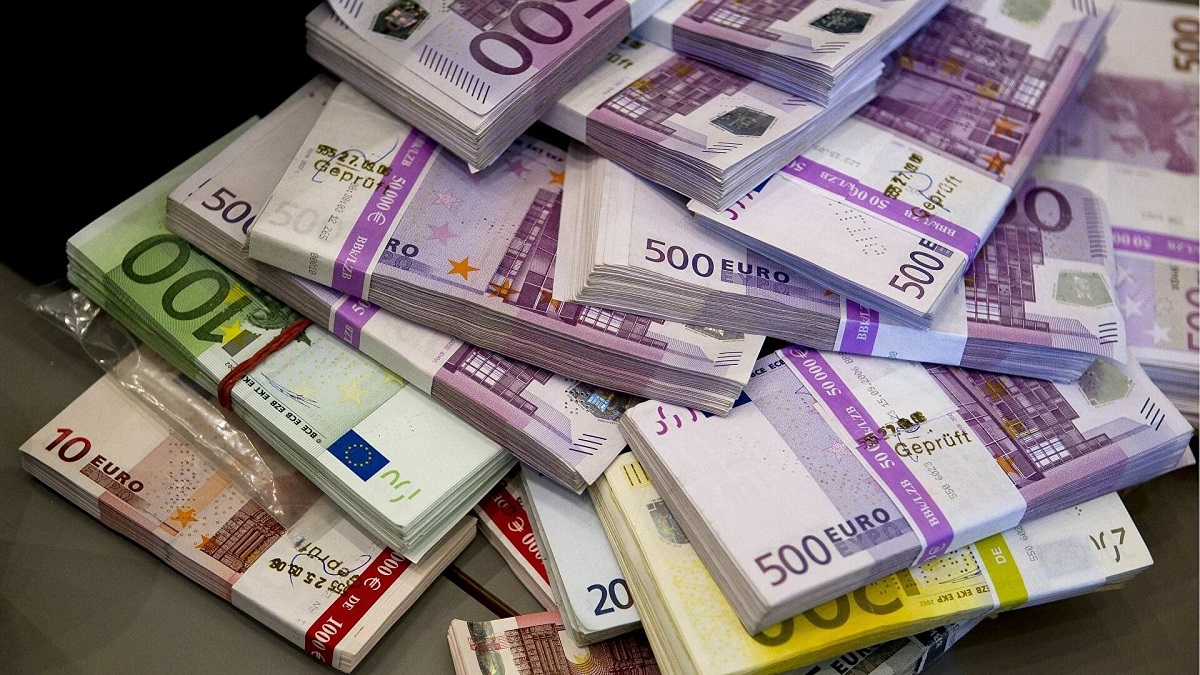
The Intricate World of Buying Fakes: Understanding the Appeal and Risks
In an ever-evolving market affected by consumerism and fashion trends, the appeal of counterfeit items-- typically described as "fakes"-- has actually ended up being a subject of widespread dispute. From luxury purses and designer attire to electronics and cosmetics, fake items catch a substantial part of consumer interest due to their viewed worth and affordability. This post delves into the multifaceted world of buying fakes, checking out both the psychological and social elements driving this phenomenon, as well as the prospective risks related to it.
The Appeal of Buying Fakes
Purchasing fakes is mostly driven by several key incentives, consisting of cost, ease of access, status enhancement, and social impact.
1. Cost Efficiency
- Price: Fakes offer consumers with the opportunity to own items that are otherwise out of monetary reach. A high-end purse that retails for ₤ 3,000 could be duplicated and cost a portion of the rate, making it appealing for people on a restricted spending plan.
- Viewed Value: Consumers might feel they are getting the exact same quality and look as a high-end item without the significant rate tag, which is luring for many.
2. Sociocultural Factors
- Status and Identity: For many, purchasing high-end brand names represents wealth, success, or social status. Falschgeld Kaufen Paypal enable people to forecast a particular image without the monetary problem, aligning with their preferred identity.
- Peer Influence: Social circles can play a substantial function in encouraging the purchase of fakes. Patterns often distribute within neighborhoods, leading people to follow fit for fear of being socially ostracized.
3. Ease of access and Convenience
- E-commerce Platforms: The rise of e-commerce, especially marketplaces like Alibaba, eBay, and social networks platforms, has made counterfeit items more accessible than ever. Customers can quickly browse and buy fakes from the convenience of their homes.
- Global Distribution: Counterfeit items are offered worldwide, permitting access to items that might not be locally offered.
Kinds Of Fake Products
When talking about counterfeit goods, it's vital to comprehend that not all fakes are developed equal. The following classifications usually encapsulate the types of counterfeit products offered:
A. Fashion Items
- Clothing and Accessories: Imitations of designer clothing, shoes, and devices are widespread in the market.
- High-end Handbags: Replicated high-end purses frequently draw in considerable attention due to their identifiable branding.
B. Electronics
- Tech Gadgets: Counterfeit electronics, consisting of smartphones and accessories, are typical, often marketed as premium brand names at a lower rate.
- Software application: Pirated software licenses and applications can likewise fall under the umbrella of counterfeit items.
C. Cosmetics and Personal Care
- Skincare and Makeup: Counterfeit cosmetics can be particularly concerning due to safety risks and regulatory concerns related to ingredients.
The Risks of Buying Fakes
While the allure of counterfeit items can be strong, prospective buyers need to consider the accompanying risks.
1. Legal Consequences
- Copyright Theft: Purchasing counterfeit goods breaks intellectual residential or commercial property laws, and consumers may be punished depending upon regional legislation.
- Seizure Actions: In some countries, law enforcement firms have the authority to take counterfeit products and enforce fines on individuals caught buying them.
2. Ethical Implications
- Assistance of Criminal Enterprises: The counterfeit market is often connected with the mob, and consumer involvement can inadvertently support unethical practices and exploitation.
- Influence On Genuine Brands: The proliferation of fakes undermines legitimate organizations, adversely impacting their earnings and brand stability.
3. Safety and Quality Concerns
- Substandard Quality: Often, counterfeit products do not satisfy the quality standards of real products, which can lead to regular discontentment.
- Health Risks: This is especially true for cosmetics and electronics, which may include hazardous ingredients or faults that posture security dangers.
Purchasing Fakes: A Concluding Perspective
The practice of purchasing counterfeit items is a complicated issue intertwined with economic, social, and ethical factors to consider. While attracting for numerous due to price and access to high-end visual appeals, the unfavorable effects expose the darker side of this consumer behavior. In a world where authenticity is significantly valued, comprehending the dangers and implications of purchasing fakes is vital.
Before buying, people must examine their inspirations, the possible legal and ethical implications, and eventually decide what best lines up with their worths and monetary integrity.
Regularly Asked Questions (FAQs)
Q1: Are counterfeit goods prohibited all over?
A1: The legality of counterfeit items differs by nation. While some countries implement rigorous laws versus their sale and circulation, others might have more lax guidelines.
Q2: How can I determine counterfeit products?
A2: Look for obvious indications such as bad workmanship, misspellings on labels, and price discrepancies that appear too excellent to be true. Investigating Continued can also help in identification.
Q3: What should I do if I unwittingly buy a fake item?
A3: If you discover that you have bought a counterfeit item, consider connecting to the seller for a refund if possible. You may also report the product to regional customer defense companies.
Q4: Are there any advantages to buying fakes?
A4: While some argue that buying fakes can offer a chance to experience high-end items at a lower cost, it is necessary to weigh these viewed advantages against the legal, ethical, and health risks involved.
Q5: How can I support ethical consumerism?
A5: Supporting ethical consumerism includes buying from reputable brands, promoting for transparency in the supply chain, and motivating accountable service practices within your neighborhood.
By seriously taking a look at the impulse to buy fakes, customers can make educated choices that eventually contribute to a more ethical and sustainable marketplace.